Archives et ressources · publié le
twentieth century Chinese graphic art
Provide a concise English orientation page and preserve the historical bilingual entrance without duplicating the whole site.
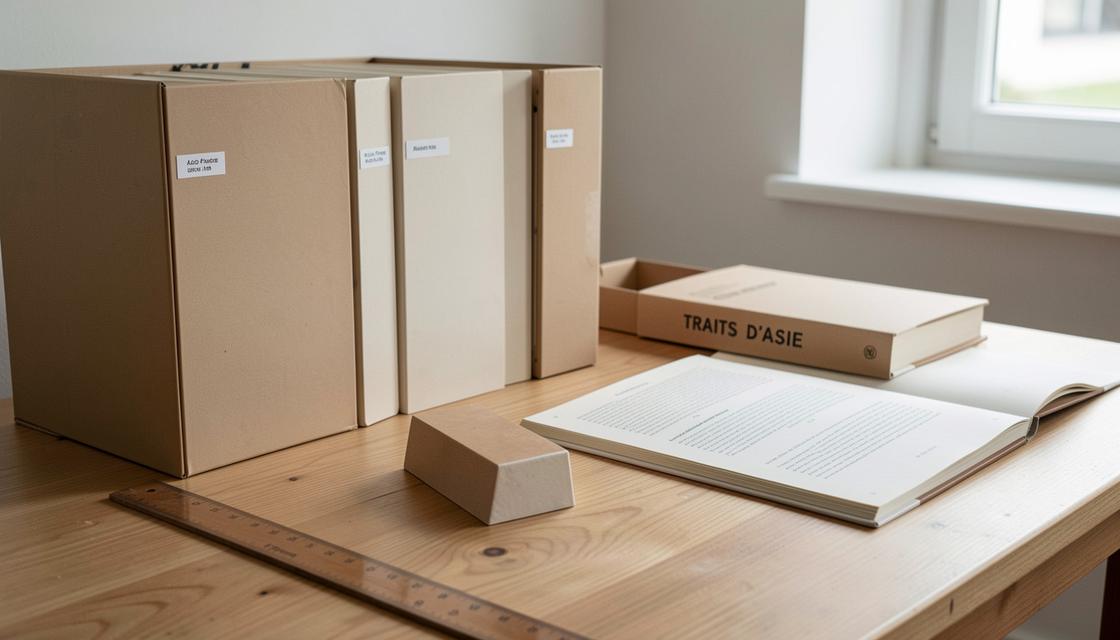
This restored route is an English entry point to a documented field. Read the object through its support, format, printing or painting process, date and source before treating a title as an interpretation. The archive preserves a route and a question; current institutional records are needed to establish the details that an old page could not carry.
The relevant evidence for this page includes English historical snapshot; Same canonical institutional sources as /pageaccueil.htm; English labels from source institutions when available. Those sources answer different questions, so the article keeps collection data, historical context and visual reading in separate lanes. A reader can follow the commented resource shelf and the editorial method rather than relying on a single inherited description.
A historical English route
This restored English address is a compact entry point to twentieth-century Chinese graphic art. It keeps the historical subject while using a current source-led method. The page does not claim to reproduce the complete former website, and an archived snapshot is treated as evidence of wording and structure, not as proof for every artwork or exhibition once mentioned.
Printed images in context
Commercial posters, popular images, political prints and ink painting belong to different histories even when a reader finds them through one archive. Compare format, support, color, audience and documented function before grouping them. Museum collections and poster archives provide different kinds of evidence. The page connects those routes through visual description rather than through a single invented timeline.
What an archive can establish
A Wayback capture may preserve a title, navigation label or dated announcement. It does not automatically establish authorship, provenance, a complete exhibition list or present-day availability. Institutional records are stronger for object metadata. When the archived language and a current collection record diverge, the difference is kept visible so that translation and memory do not become false certainty.
Reading from the object outward
Begin with support, margins, color fields, figures, lettering and signs of printing. Then ask which museum, archive, catalogue or artist source can support a date or interpretation. The original editorial photograph is atmosphere, not a reproduction of a historical work. That distinction allows the page to remain visually coherent without confusing a generated scene with evidence.
A repeatable next step
Choose one object from the linked collections and record its institution, identifier, title, date and technique. Write three visible observations before reading the explanatory note. This creates a small, verifiable research loop and keeps the English route useful to readers who need an entry point without pretending that a short historical page can replace the source institution.
Pour poursuivre
The route is most useful when it sends a reader from a preserved English entry point to an institution, catalogue or archive that can be checked independently. It does not need to imitate every sentence of a former site. Its continuity lies in the subject and in the address history, while its present value comes from clear limits, current source links and an explicit distinction between editorial atmosphere and documentary evidence.
Sources et piste de vérification
Cette page croise les sources prévues au cadrage. Les liens d’approfondissement sont rassemblés dans les ressources commentées, avec les conditions de consultation et de reproduction connues.
- English historical snapshot consulté le 23/08/2026
- Same canonical institutional sources as /pageaccueil.htm consulté le 23/08/2026
- English labels from source institutions when available consulté le 23/08/2026